How Long Does Professional Water Damage Restoration Take? Timeline Guide
Published: 2026-04-16 · By HawkEye Water Damage Services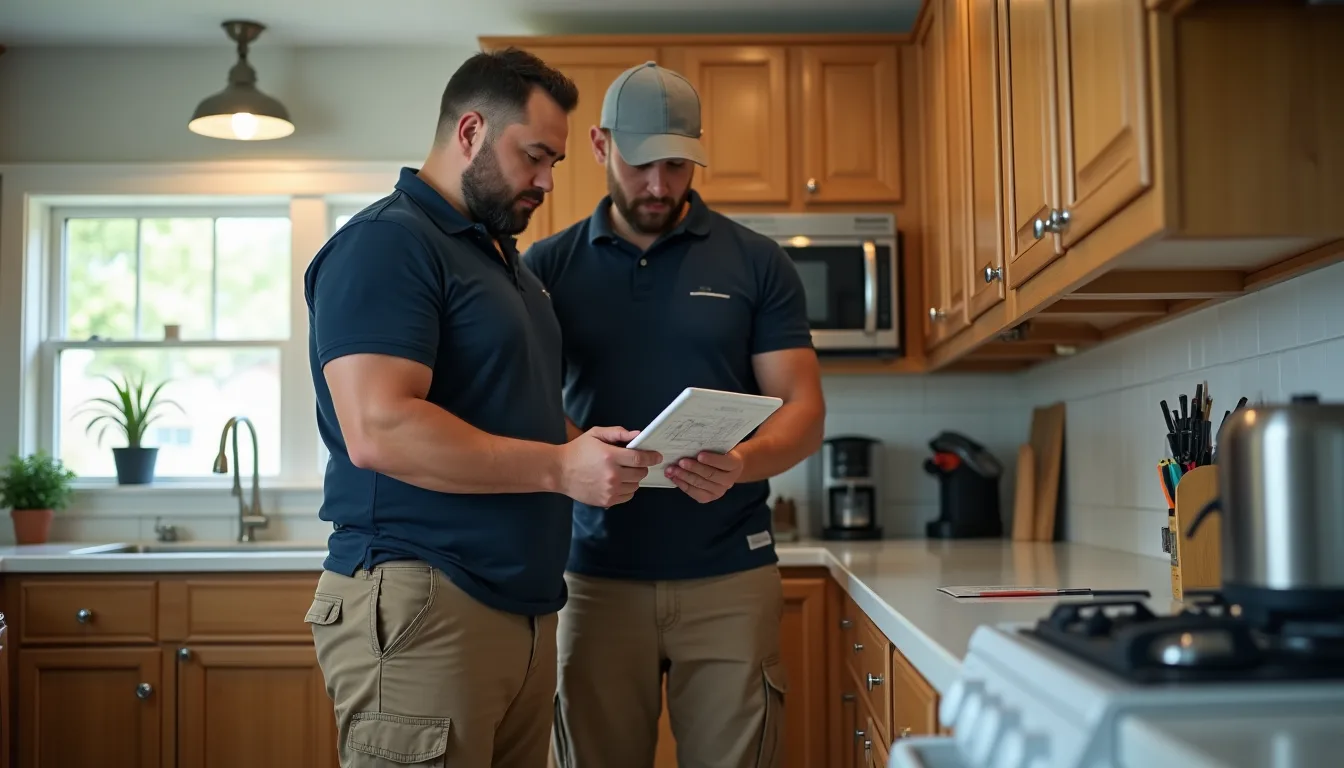
Imagine waking up in your Denver home following a fierce hailstorm, only to find water pooling in your basement. With the rapid temperature swings and heavy snowmelt typical of our springs, the risk of water damage is always looming. In such scenarios, homeowners often wonder: how long does professional water damage restoration take? Understanding this timeline is crucial not just for peace of mind, but for ensuring the structural integrity of your home in Denver's unique climate.
Why This Matters for Denver Homeowners
Water damage can escalate quickly, especially in areas like Denver, where homes are often built on expansive clay soils. As snow melts or rain falls, inadequate drainage can lead to significant infiltration issues. If not addressed promptly, water damage can compromise not only your belongings but also the structural integrity of your property. It's a problem that can affect your home’s electrical systems, weaken foundation supports, and lead to mold growth.
In a city like Denver, homeowners often face challenges associated with our freeze-thaw cycles. These cycles put stress on building materials, and a lingering moisture issue can exacerbate the effects. Therefore, the urgency to address water damage cannot be overstated. By being proactive, you can save yourself time, money, and the headaches that come with prolonged water issues.
Expert Solutions & Actionable Tips
1. Initial Assessment Timeframe
When water damage strikes, the first step is the assessment by a professional. Typically, a thorough evaluation can take about 1 to 2 hours, depending on the extent of the damage. In Denver, this assessment is crucial, as professionals will examine various aspects, including water source, affected materials, and necessary equipment.
For a typical home assessment, you can expect to pay anywhere between $150 and $400. This step is essential; thus, spending a little upfront can lead to significant savings by avoiding more extensive damage.
2. Water Extraction Processes
Once the assessment is made, the water extraction process usually takes between 2 to 4 hours. This timeline can vary based on the home's size and the extent of the water intrusion. In areas with expansive soils, it’s critical to ensure that all standing water is removed to prevent future issues.
The cost for extraction services often falls within $500 to $1,500, depending on the severity of the water damage. This step is fundamental in the restoration process, helping to prevent further damage.
3. Drying Out Your Home
The drying phase can take anywhere from 3 to 5 days, depending on humidity levels and the materials in your home. In Denver, where humidity can fluctuate, fans and dehumidifiers may be employed to expedite this process effectively.
Professionals typically charge between $800 and $2,000 for this service, including equipment rental and labor costs. This crucial step ensures that all moisture is thoroughly removed, significantly reducing the risk of mold growth.
4. Mold Remediation Timeline
If mold is present, remediation can add additional time to the restoration process. Generally, mold removal can take 1 to 3 days, depending on the severity and location of the mold growth. This is especially important given the moisture levels from Denver’s rapid snowmelt.
Mold remediation typically costs between $1,000 and $6,000, based on the affected areas. This aspect cannot be overlooked, as mold poses serious health risks if not properly removed.
5. Final Repairs After Restoration
Once the area is dried and cleared, final repairs—including drywall replacement, painting, and fixtures—may take an additional 1 to 2 weeks. The timeline can vary significantly based on the extent of repairs needed and the materials used.
Costs for repairs can range from $500 to upwards of $5,000, depending on the scope of the work. Homeowners should keep detailed records of all repairs and their costs for insurance claims.
6. Seasonal Considerations in Denver
Understanding seasonal impacts can help homeowners prepare for potential water damage. Spring thaw often leads to flooding, while rapid temperature changes can stress building materials. Being aware of these conditions can help facilitate timely responses.
Investing in preventative measures such as sump pumps or better drainage solutions may save you time and money in the long run, allowing for quicker restoration if needed. Costs for prevention systems can vary widely, ranging from $200 to $2,000 or more, depending on your home’s specific needs.
Denver Climate & Local Context
Denver’s climate is notorious for its rapid fluctuations, and this creates a unique set of challenges for homeowners. Properties here often sit on expansive clay soil, which can shift and retain water, contributing to drainage problems during the spring melt.
The local building codes typically require homeowners to have proper drainage systems to manage snowmelt and rainfall effectively. Failing to meet these requirements can lead to both increased renovation costs and significant water damage issues if heavy rain or snow occurs without appropriate management systems.
Additionally, considering the overall layout of your property can help mitigate water damage risks. It is crucial to assess whether your landscaping directs water away from your foundation and to seek professional advice if you’re unsure.
When to Call a Professional
Deciding whether to handle water damage restoration yourself or call a professional can be challenging. It’s important to weigh the complexity of the damage against your own skills and resources. Certain situations require professional intervention, while others may be managed by vigilant homeowners.
Here are some red-flag scenarios indicating that it’s time to call in a professional:
- Extensive standing water covering large areas of flooring.
- Signs of mold growth, especially black mold.
- Water has penetrated wiring or electrical systems.
- Unfamiliar musty odors, indicating hidden moisture sources.
- Water damage affecting areas beyond floors, such as walls and ceilings.
- Pre-existing structural issues with your home that complicate restoration.
In these cases, our experts at HawkEye Water Damage Services can assess the situation thoroughly and take the appropriate steps to mitigate further damage, providing experience that makes a difference.
Frequently Asked Questions
What is the average time for water damage restoration in Denver?
On average, water damage restoration can take anywhere from 3 days to a few weeks, depending on various factors such as the extent of damage and the services required.
How does Denver's climate affect water damage restoration?
Denver's climate, with its freeze-thaw cycles and snowmelt, can make restoration more challenging, often extending drying times and increasing the need for professional intervention.
Will my insurance cover the cost of water damage restoration?
Many homeowners insurance policies cover water damage, but it’s essential to review your specific policy details and speak with your provider for clarity.
What are the signs I need water damage restoration?
Look for visible leaks, water stains on walls or ceilings, and any musty odors, as these are indications that your home may require professional restoration services.
Can I prevent water damage in my home?
Absolutely! Regularly maintaining your gutters, checking your drainage, and investing in proper landscaping can significantly reduce the risk of water damage in your home.
Get Expert Water Damage Restoration Service in Denver
If you find yourself facing water damage in your Denver home, do not hesitate. The sooner you call the experts at HawkEye Water Damage Services, the better the outcome for your property.
Our dedicated team is here to help you navigate the restoration process efficiently, ensuring your home returns to normal as quickly as possible.

More Articles
Top 6 Water Damage Restoration Prevention Tips Every Denver Homeowner Should Know
2026-04-16
Water Damage RestorationThe Hidden Dangers of Ignoring Water Damage Restoration Issues in Your Home
2026-04-16
Water Damage RestorationWater Damage Restoration Emergency? Here's What to Do in the First 24 Hours
2026-04-16