Water Damage Restoration Emergency? Here's What to Do in the First 24 Hours
Published: 2026-04-16 · By HawkEye Water Damage Services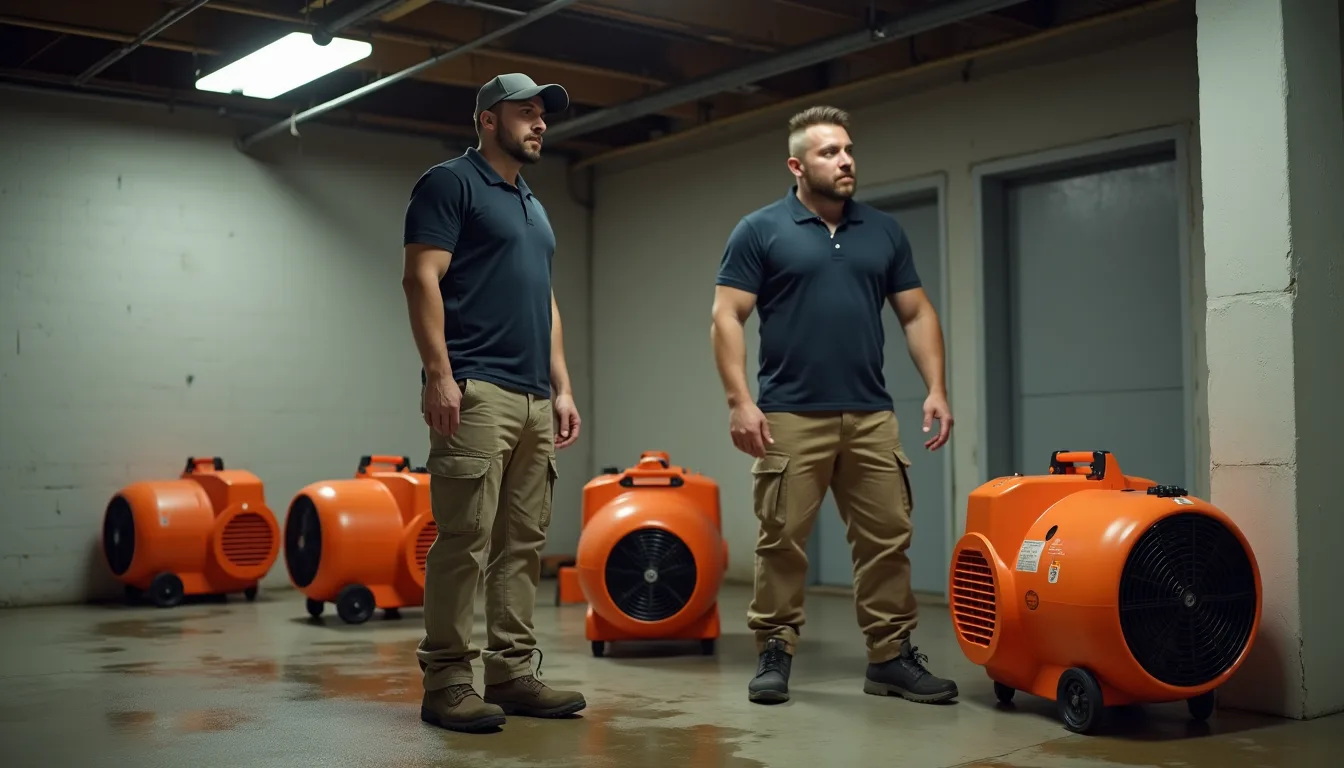
Imagine returning home after a day out, only to find your basement flooded due to a sudden spring hailstorm. In Denver, with its unpredictable weather patterns, water damage can strike at any moment. As temperature swings, heavy snowmelt, and downpours collide, understanding immediate actions can significantly affect the extent of the damage and your peace of mind. In situations where every minute counts, being prepared can save costly repairs and restore your home quickly. Here’s your essential guide to recovery during the critical first 24 hours.
Why This Matters for Denver Homeowners
Denver's unique weather presents a significant challenge for homeowners when it comes to water damage. Rapid temperature swings can quickly turn melting snow or rainfall into a disaster. Many houses in the region are built on expansive clay soils, necessitating particular attention to drainage systems. When water accumulates due to inadequate drainage, it can lead to serious structural issues including foundation damage or mold growth, jeopardizing the home’s safety and value.
The local freeze-thaw cycles add another layer of complexity. As winter gives way to spring, temperature fluctuations cause materials to expand and contract. This can lead to cracks and openings where water can seep in, exacerbating damage if not addressed promptly. Therefore, it’s crucial to act fast and efficiently.
Be aware that even minor leaks can lead to severe issues, including mold infestation, if neglected. Mold can start developing within 24-48 hours after water exposure, putting your family’s health at risk.
Ignoring the signs of water damage can lead to costly repairs and prolonged discomfort. Residents should familiarize themselves with the symptoms of water intrusion for swift action when emergencies arise.
Expert Solutions & Actionable Tips
1. Shut Off the Water Source
The first step in addressing water damage is stopping the source of the water. If it is a burst pipe, locate the shut-off valve—usually near your water meter—and turn it off. If you're dealing with flooding from heavy rains or snowmelt, you might want to check your sump pump. Don't forget to also turn off your home's electricity at the circuit breaker if water is present, as this can pose a serious hazard.
2. Document the Damage
Before you start cleaning up, take ample photos of the affected areas, including flooring, walls, and furniture. This documentation is vital for insurance claims, ensuring you have proof of the conditions prior to restoration. Create a detailed inventory of damaged items along with their approximate value, which will help during the claims process.
3. Dry and Air Out the Area
Begin drying out the area within hours of discovering the damage. Use fans and dehumidifiers to circulate air and draw moisture out of materials. It may take several days for affected areas to dry completely, particularly in basements where moisture tends to linger. Remember to check less obvious spots, like behind walls or beneath carpets, where water may still be trapped.
4. Remove Standing Water
If safe to do so, use buckets or a wet/dry vacuum to remove visible standing water. For larger areas, you might need to rent a submersible pump. The sooner you eliminate standing water, the less likely it is that mold will develop later. Costs for renting these pumps can range from $30 to $60 per day.
5. Inspect for Structural Damage
Examine your property for signs of structural compromise, such as sagging ceilings or warped walls. Denver homes on expansive clay soils may experience unique challenges due to shifting ground conditions. Call a professional if you notice substantial damage to ensure your family's safety and the integrity of your home.
6. Consult a Water Damage Restoration Service
Even if you think you’ve managed the initial clean-up, consulting a water damage restoration expert might be necessary. They can assess the damage fully, mitigate the risk of mold growth, and offer a comprehensive recovery plan. In Denver, these services typically range from $1,500 to $3,500 depending on the severity of the damage.
Denver Climate & Local Context
Denver's climate is characterized by its rapid temperature fluctuations, particularly in springtime when meltwater and rainstorms can overwhelm drainage systems. Homes in Denver often sit atop expansive clay soils that swell with moisture and shrink when dry. This cycle can cause foundational issues if water isn't effectively managed through proper drainage. Understanding these factors is crucial for homeowners, as local building codes offer guidelines for mitigating water damage risks through landscaping and drainage installations.
Many residences may also be required to have proper drainage systems in place, per local regulations. When remodeling or making repairs, it’s essential to consider the implications of Denver’s wet season and invest in solutions that will protect your property long-term. Regular inspections of your home’s drainage infrastructure, particularly during the spring thaw, can help prevent water-related disasters.
When to Call a Professional
While handling minor clean-up efforts could be tempting, certain scenarios call for professionals. Assessing whether to DIY or call a water damage restoration expert can depend largely on the scope of the issue. If you notice extensive water damage, the presence of noxious odors, or mold growth, it’s crucial to seek professional assistance.
Here are some red-flag scenarios when to call a pro:
- Water build-up exceeds a few inches
- Visible mold growth over a small area
- Persistent musty smells
- Electrical hazards posed by standing water
- Damaged structural elements like beams or joists
- Waterlogged drywall or insulation
- Unresolved water damage after initial clean-up
Ignoring the need for specialized help can lead to more severe problems down the line, possibly endangering your home and health.
Frequently Asked Questions
What should I do first after discovering water damage?
Begin by shutting off the water source and turning off electricity to minimize risk. Then take photos for documentation before starting any cleanup.
How can I tell if water damage has occurred?
Look for signs like water stains, mold spores, or a musty odor. If your walls or flooring feel damp, that’s a strong indication.
Do I need a permit to begin repairs after water damage in Denver?
For significant repairs, particularly those involving structure, local building regulations may require a permit. Check with Denver's building authority for specifics.
How long does it take to completely dry out my home after water damage?
Complete drying can take several days, and the timeline can vary greatly depending on factors like humidity and airflow.
When should I call HawkEye Water Damage Services?
If you encounter extensive damage, mold presence, or structural concerns, reaching out to HawkEye Water Damage Services immediately is crucial for safe and effective restoration.
Get Expert Water Damage Restoration Service in Denver
Emergency water damage situations can escalate quickly, so it’s essential to act immediately. For expert assistance in restoring your home and ensuring your safety, reach out to HawkEye Water Damage Services in Denver at (720) 745-5094. Our team is ready to help you navigate this challenging experience.
Don’t put your home at risk; contact us today for a thorough evaluation and prompt action to get your property back to normal.

More Articles
Top 6 Water Damage Restoration Prevention Tips Every Denver Homeowner Should Know
2026-04-16
Water Damage RestorationThe Hidden Dangers of Ignoring Water Damage Restoration Issues in Your Home
2026-04-16
Water Damage RestorationHow Long Does Professional Water Damage Restoration Take? Timeline Guide
2026-04-16